Provider agnostic
Merchants should never be locked into a single processor's pricing, uptime, or roadmap.
About Kawrie
Kawrie exists to remove the complexity of collecting, moving, and settling money across Africa, so businesses can focus on growing instead of wrestling with payment providers.
Our story
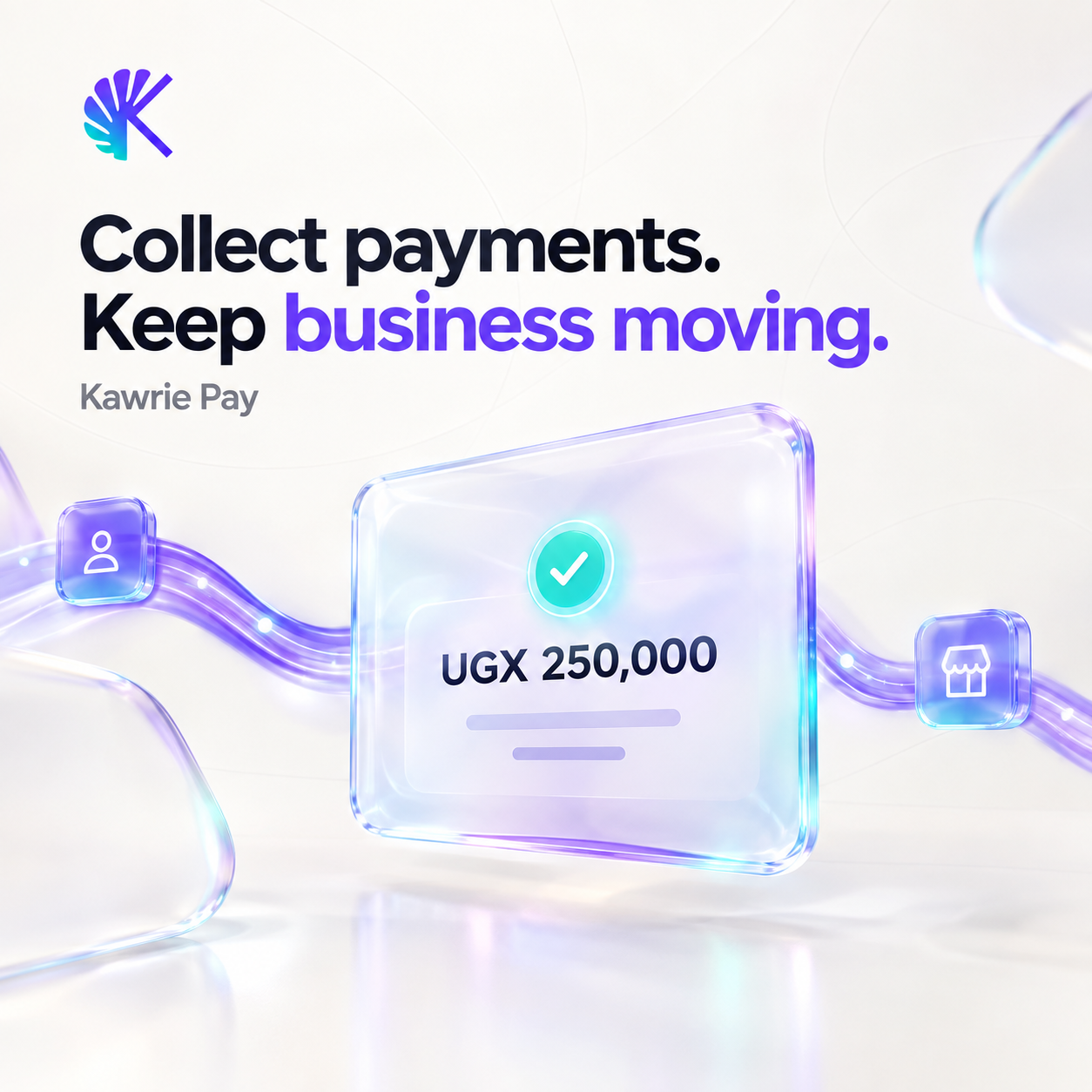
Kawrie started with a simple observation: mobile money moves more everyday commerce in Uganda than any other payment method, yet most businesses have no reliable, programmatic way to accept it, track it, or grow with it. We built Kawrie to close that gap, a single platform where merchants integrate once and never have to rebuild their payment infrastructure again, no matter which provider, network, or country comes next.
What we believe
Merchants should never be locked into a single processor's pricing, uptime, or roadmap.
We build APIs before interfaces, because reliability matters more than a nice dashboard.
Every architectural decision is made with regulatory review in mind from day one, not bolted on afterward.
Built around how people and businesses actually transact here, not adapted from a foreign model.
How we work
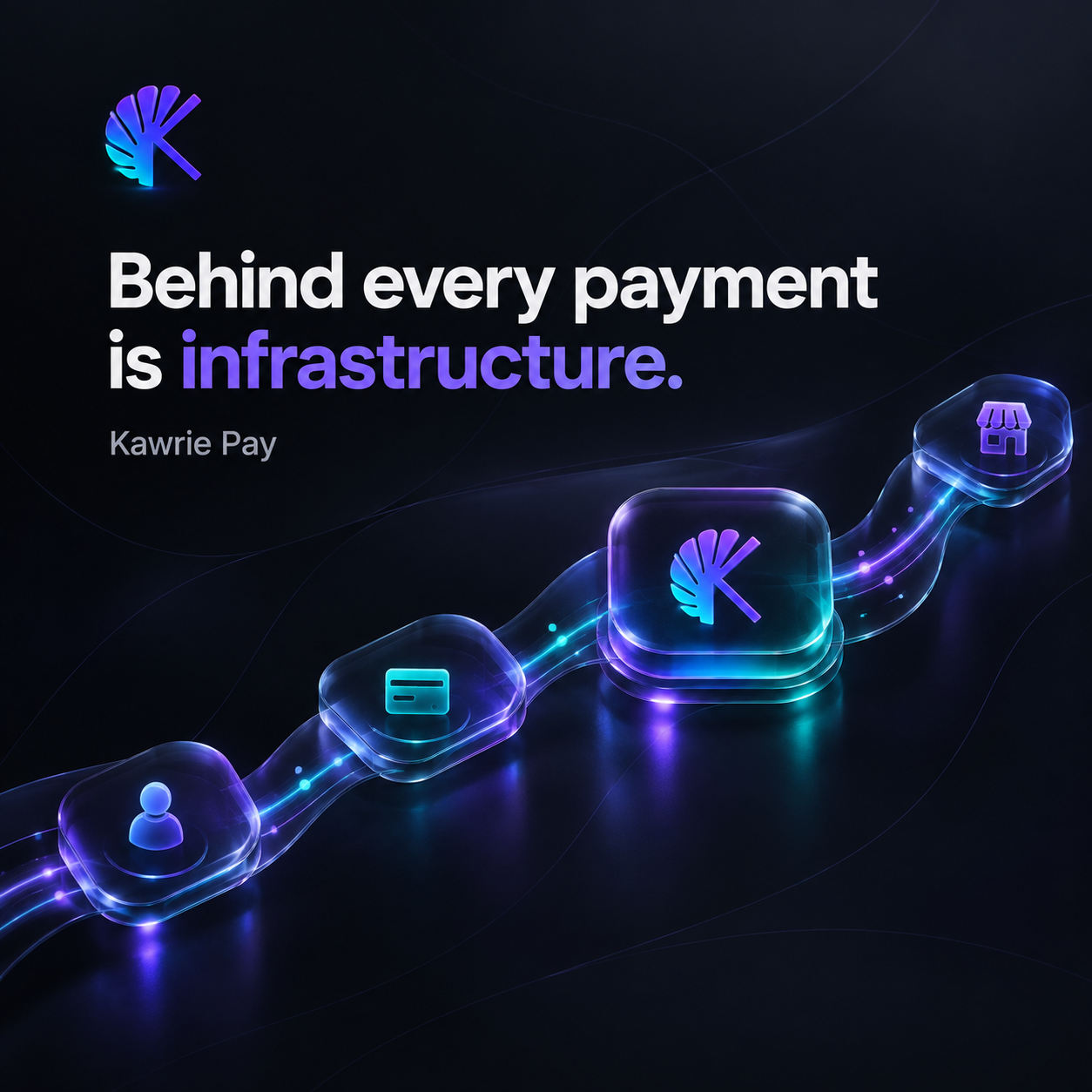
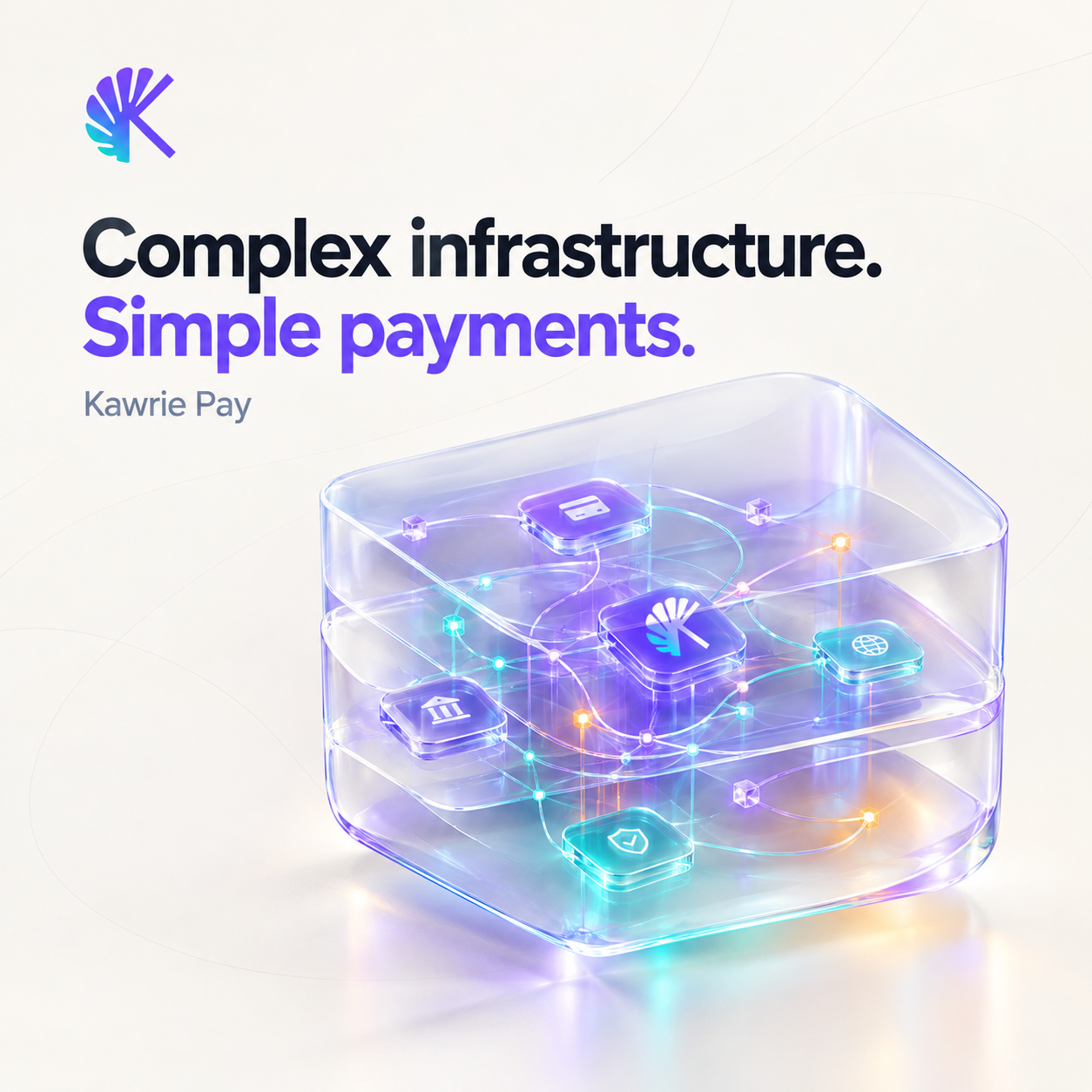
Underneath every Kawrie integration is a hidden adapter layer. Payment providers can change, or new ones can be added, without a merchant ever touching their integration again.
Where we're headed
Live in Uganda today on MTN and Airtel mobile money. Card payments are in progress.
Expansion mapped across Kenya, Ghana, and Cameroon as we grow across markets.
Let's talk.